
The reading problem
Publication date, access date and an event date can differ. Label the field rather than treating the latest timestamp as a fresh finding.
Two values only support a meaningful comparison when the subject, units, method and conditions align. A table cell without those conditions may create a false impression of precision.
A practical example
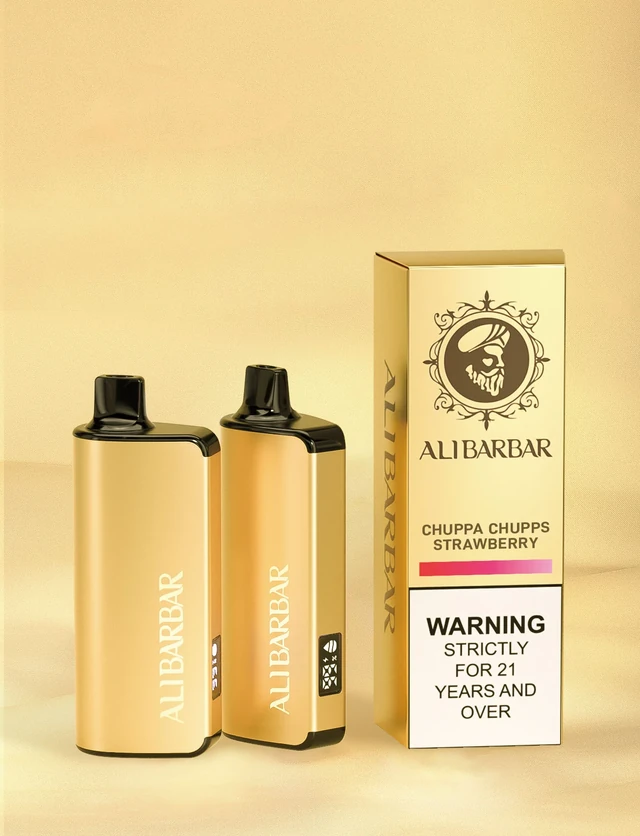
Alibarbar Ingot 9000, Ingot 15000 and Pandora 7000 appear as separate directory entries. Shared visual styling does not make their records interchangeable.
Match the conditions before comparing
Write down the subject, the publisher, the exact source address and what remains unknown. When another account repeats the statement, check whether it supplies new evidence or simply points back to the same original.
Are the same objects being described under the same conditions?
A worked reading example: A table can compare records without declaring a winner
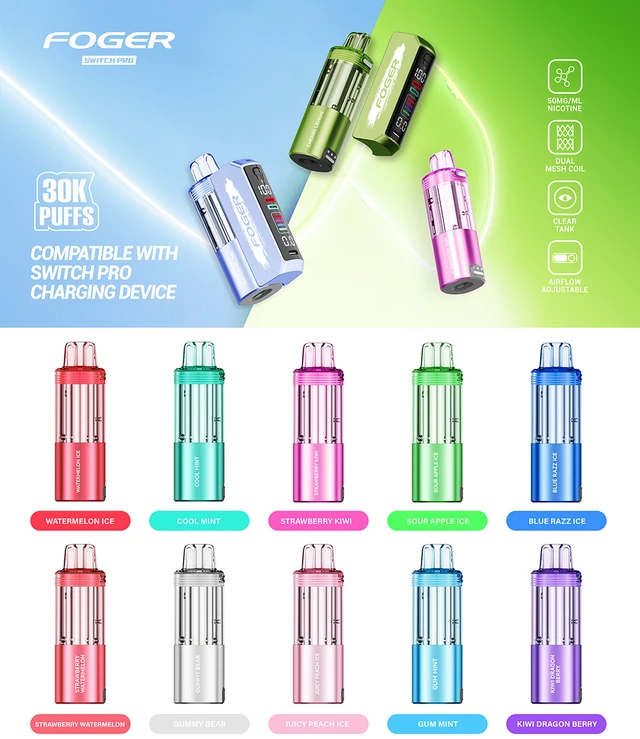
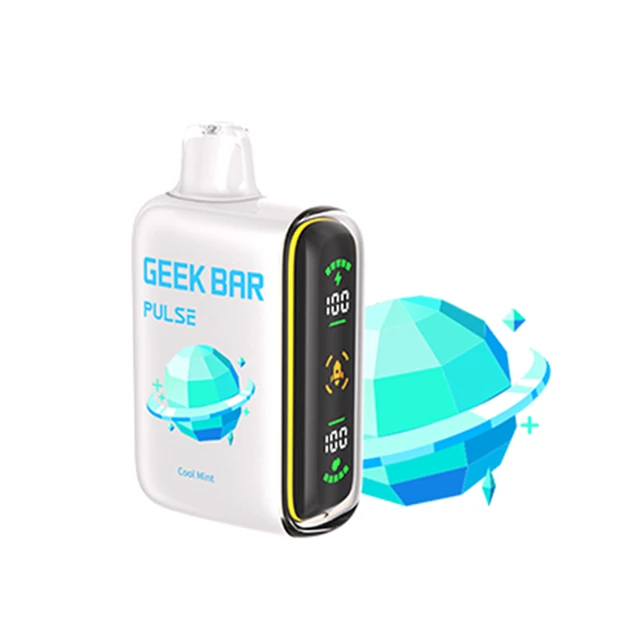
Place two product descriptions beside each other and first compare the labels of the fields. Are both values for the assembled device, or is one for a component? Are the units and conditions stated? Does one entry contain a publisher claim while the other contains an independent measurement? If those roles differ, write the difference in the table rather than suppressing it. A comparison may conclude that a field is not comparable in this edition. That is a useful result for Geek Bar model records, Foger modular descriptions and Alibarbar named families alike. A grid creates visual alignment; it does not create evidential equivalence.
Check the date fields
Label each date by function. Leave an absent publication date unresolved rather than replacing it with an access date that could be mistaken for publication.
Editorial takeaway: Match the subject and evidence role before comparing the numbers.
A boundary worth keeping
A comparison can reveal a missing condition without selecting a winner.
The linked product publishers describe their own materials. This publication provides a reading structure; it does not claim to have independently tested devices or certified a market status.
Continue with an original record
Checked 17 October 2026. Read the original source and its scope before extending the conclusion.